










You will not be allowed to compare more than 4 products at a time
View compareShowing 1-8 of 8 Results
-
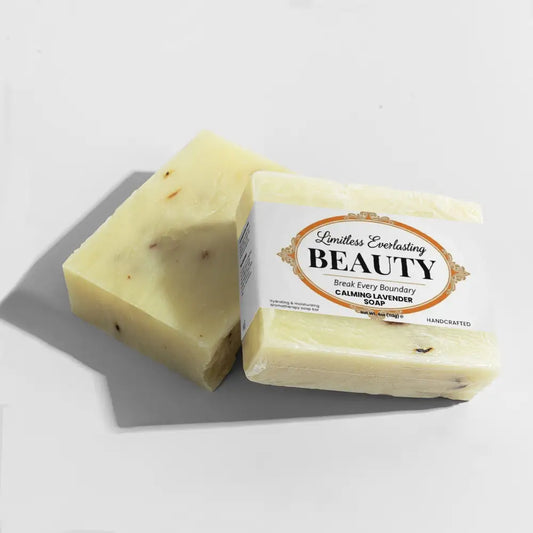
Vendor:Limitless Everlasting Beauty
Handcrafted Calming Lavender Soap for Sensitive Skin
Sale price $14.99 USD Regular priceRegular price $14.99 USDUnit price per -
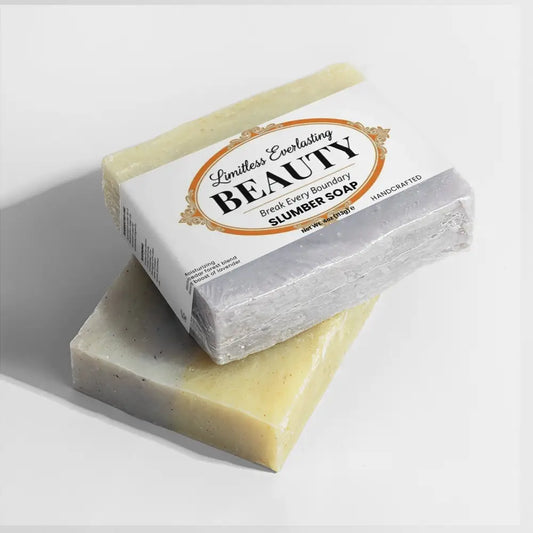
Vendor:Limitless Everlasting Beauty
Handcrafted Lavender and Cedar Slumber Soap
Sale price $12.50 USD Regular priceRegular price $12.50 USDUnit price per -
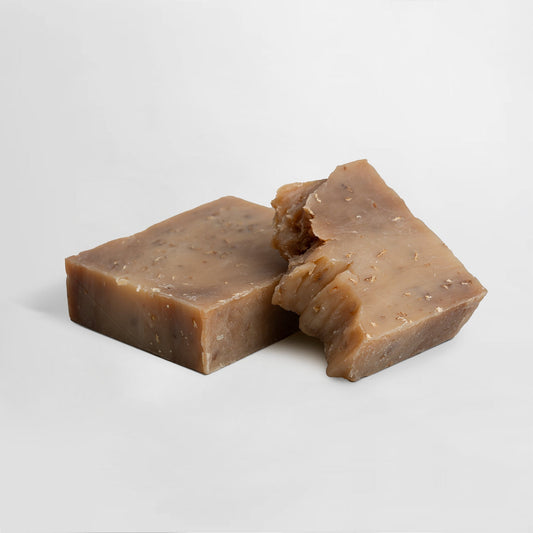
Vendor:Limitless Everlasting Beauty
Oat Milk Honey Soap
Sale price $14.99 USD Regular priceRegular price $14.99 USDUnit price per -
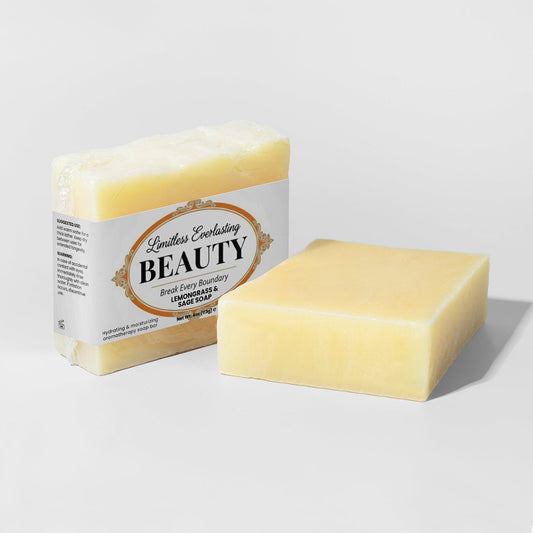
Vendor:Limitless Everlasting Beauty
Lemongrass & Sage Soap
Sale price $14.99 USD Regular priceRegular price $14.99 USDUnit price per -
Vendor:Limitless Everlasting Beauty
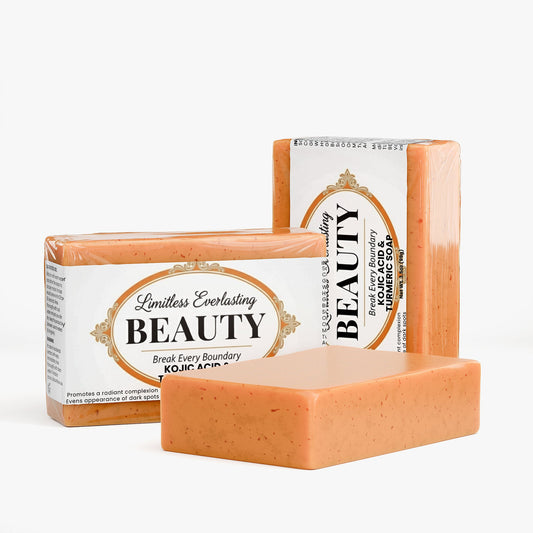
Kojic Acid & Turmeric Soap
Sale price $14.99 USD Regular priceRegular price $14.99 USDUnit price per -
Vendor:Limitless Everlasting Beauty
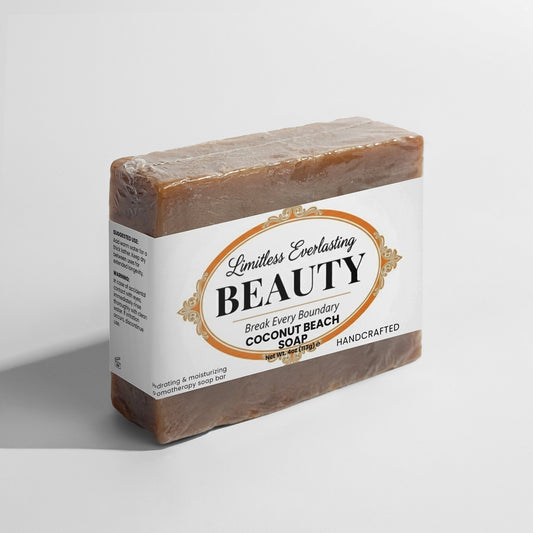
Coconut Beach Soap
Sale price $14.99 USD Regular priceRegular price $14.99 USDUnit price per -
Vendor:Limitless Everlasting Beauty
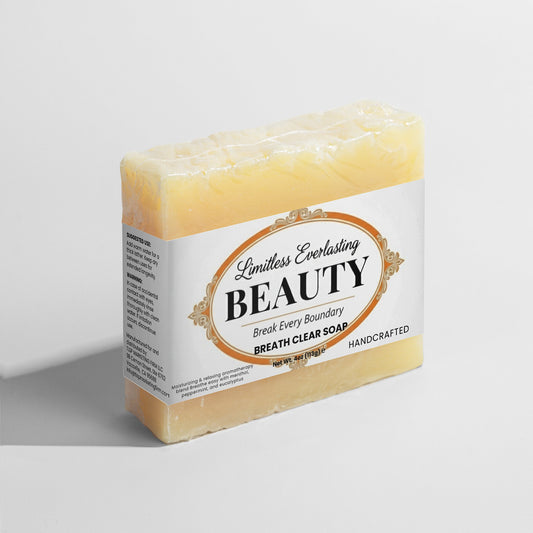
Breathe Clear Soap
Sale price $14.99 USD Regular priceRegular price $14.99 USDUnit price per -
Vendor:Limitless Everlasting Beauty
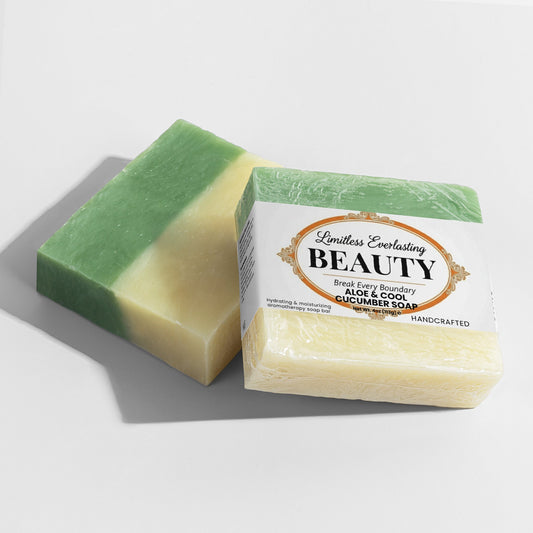
Aloe & Cool Cucumber Soap
Sale price $14.99 USD Regular priceRegular price $14.99 USDUnit price per

Collection: Organic Soap
Organic Soap: Natural Handmade Bar Soaps
Most people use soap every single day without giving a second thought to what is in it. That is understandable. Soap seems simple. But the difference between a conventional soap made with synthetic detergents, artificial fragrance, and petroleum-derived lather boosters, and a genuine certified organic soap made with cold-pressed plant oils, therapeutic botanicals, and skin-compatible cleansing compounds is the difference between a product that slowly depletes your skin barrier and one that cleans your skin while actively supporting its health.
At Limitless Everlasting Beauty, our Organic Soap collection is built around traditional cold-process and hot-process soapmaking methods combined with modern botanical science. Every bar and liquid soap in this collection is made with certified organic plant oils, genuine essential oils, and functional botanical additives that go to work on your skin with every wash. No synthetic fragrance. No artificial color. No sodium lauryl sulfate. No palm oil from deforested sources. No compromise.
These are 5-star rated soaps loved by thousands of customers across the USA for a reason. Once you wash with a genuinely organic, handmade soap and experience the difference in how your skin feels after, you will not go back to a conventional bar. This guide explains exactly what makes each soap in our collection different, what each ingredient does, and how to choose the right soap for your skin type and goals.
What Makes a Soap Truly Organic: Cutting Through the Marketing Noise
The word "organic" is one of the most abused terms in the personal care industry. In the United States, the USDA's National Organic Program (NOP) regulates the use of the word "organic" on food products with strict legal standards. Cosmetics and personal care products, including soap, operate in a more complicated regulatory space.
The USDA National Organic Program does certify personal care products, but the standards apply specifically to the agricultural ingredients used. A soap can legally use the word "natural" or even make implied organic claims while containing synthetic fragrance, synthetic preservatives, and petroleum-derived additives, as long as it does not claim to be USDA certified.
A genuinely certified organic soap meets these criteria: the agricultural ingredients (oils, butters, botanicals) are grown and processed according to certified organic farming standards, the formula contains no synthetic fragrance, no petroleum derivatives, no synthetic colorants, and no harmful preservatives, and the manufacturing process is documented and verified by an approved certifying agent.
Our organic soaps use certified organic ingredients sourced from verified organic farms. Every oil, every butter, every botanical additive carries its organic certification. We publish our full ingredient lists in INCI format on every product page so you can verify exactly what you are buying. This is what natural organic soap actually means when the term is used with integrity.
The Science of Soap: Cold Process vs. Commercial Detergent Bars
Understanding how real soap is made helps you understand why it is fundamentally different from what fills most store shelves. True soap is made through a chemical reaction called saponification: oils or fats react with an alkali (sodium hydroxide for bar soap, potassium hydroxide for liquid soap) to produce soap molecules and glycerin. The soap molecule has a water-attracting (hydrophilic) end and an oil-attracting (lipophilic) end, allowing it to lift oil and dirt from the skin surface when rinsed with water.
In cold-process soapmaking, oils and lye solution are combined at low temperatures and the saponification reaction completes over a curing period of four to six weeks. This slow cure allows the soap to develop a mild, balanced pH and retains all of the natural glycerin produced during saponification.
This is critically important. Commercial soap manufacturers typically extract the glycerin from their soap and sell it separately as a higher-value ingredient for cosmetics and pharmaceuticals. The remaining bar is a stripped, glycerin-depleted detergent that leaves skin feeling tight and dry because it has lost its natural humectant component.
Our small batch organic soap retains all naturally produced glycerin in every bar. This retained glycerin is one of the primary reasons genuine handmade soap leaves skin feeling soft and moisturized after washing, while commercial bars leave it feeling dry and tight even when marketed as moisturizing.
Research from the International Journal of Cosmetic Science has documented the superior moisturizing effect of glycerin-retaining handmade soaps versus commercial surfactant bars, confirming that transepidermal water loss after washing is measurably lower with handmade cold-process soap than with commercial detergent bars.
Organic Shea Butter Soap: Deep Moisture With Every Wash
Shea butter is one of the most valuable plant fats in natural skincare for a reason that goes beyond its fatty acid profile. Cold-pressed organic shea contains a unique unsaponifiable fraction, the portion of the fat that does not convert to soap during saponification, of approximately 7 to 11%. This unsaponifiable fraction includes triterpene alcohols (lupeol, butyrospermol), polyphenols, tocopherols, and phytosterols that are known to reduce skin inflammation, support wound healing, and provide UV protection at a low but meaningful level.
When shea butter is used in cold-process soap at a high superfat percentage (meaning a calculated excess of shea butter beyond what the lye converts), these bioactive compounds remain active in the finished bar and are deposited on the skin surface with every use.
Our organic shea butter soap is formulated with a shea butter superfat of 8 to 10%, ensuring that a meaningful amount of unprocessed shea bioactives are delivered to the skin at every wash. The bar produces a creamy, conditioning lather that cleans thoroughly without stripping the skin's natural oils.
Organic Coconut Oil: Provides the hard bar structure and the cleansing power of the lather. The lauric acid in coconut oil is one of the most effective natural cleansing fatty acids and also has antimicrobial properties that help keep the skin's bacterial environment balanced. Used at a calculated percentage that maximizes cleansing without contributing to dryness.
Organic Olive Oil: The backbone of traditional Mediterranean soap (Castile soap originates from the use of pure olive oil). Olive oil's high oleic acid content creates a conditioning, skin-nourishing lather. The squalene naturally present in olive oil closely mirrors the skin's own sebum, making olive oil soap uniquely compatible with the skin's natural oil profile.
Organic Castor Oil: A small percentage of castor oil dramatically increases the lather volume and creaminess of any soap formula. Its ricinoleic acid content also provides anti-inflammatory benefits and supports the skin's natural barrier.
Organic Palm-Free Formula: We never use palm oil or palm kernel oil in any of our soaps. The environmental destruction driven by unsustainable palm oil cultivation is not something we can justify for the sake of a cheap, hard bar. We achieve an equivalent bar hardness and cleansing balance using sustainable alternatives: a higher percentage of organic coconut oil, organic cocoa butter, and beeswax-free alternatives, all without contributing to deforestation.
Organic Oatmeal Soap: The Skin Protectant Bar
Oatmeal has been used in skin care since ancient Egypt, and modern dermatology has validated what traditional knowledge knew all along. Colloidal oatmeal is recognized by the FDA as an over-the-counter skin protectant, making it one of the few cosmetic ingredients with a formal regulatory acknowledgment of its therapeutic efficacy.
Oats contain avenanthramides, compounds with direct anti-histamine activity that inhibit the itch signal at the nerve fiber level. They also contain beta-glucan, a polysaccharide that forms a protective film on the skin surface, reducing transepidermal water loss and supporting barrier repair. Saponins naturally present in oats provide mild cleansing action that is so gentle it was historically used for washing delicate fabrics.
Our organic oatmeal soap incorporates both finely ground colloidal oatmeal (for anti-itch and barrier support) and coarsely ground rolled oat flakes (for gentle physical exfoliation). This dual-texture approach makes it effective as both a therapeutic bar for eczema and sensitive skin and a gentle daily exfoliating soap for normal skin types.
The formula is unscented by design. Fragrance is the single most common cause of contact dermatitis, and a soap formulated specifically for sensitive and reactive skin has no business including fragrance of any kind. The natural scent of the oats and organic oils creates a clean, subtle cereal note that customers consistently describe as comforting without being perfumed.
The National Eczema Association recommends using soap-free or mild organic cleansers with colloidal oatmeal for individuals with eczema and atopic dermatitis. Our oatmeal bar meets this recommendation while delivering the gentle, effective cleansing of a genuine handmade soap.
Organic Lavender Soap: Aromatherapy Meets Skin Science
Lavender is the most widely used essential oil in natural personal care products, and its popularity is backed by a growing body of clinical evidence that goes well beyond its pleasant fragrance. Linalool and linalyl acetate, the primary aromatic compounds in lavender essential oil (Lavandula angustifolia), have documented anti-inflammatory, antimicrobial, and analgesic properties when applied topically.
Research published in the International Journal of Molecular Sciences confirms that lavender essential oil inhibits the growth of Staphylococcus aureus, the bacteria most commonly associated with eczema flares and infected acne lesions, at concentrations achievable through topical application. It also demonstrates anti-inflammatory activity through inhibition of inflammatory mediator production in skin cells.
Our organic lavender soap uses only certified organic Lavandula angustifolia essential oil at therapeutic concentrations. The distinction between Lavandula angustifolia (true lavender) and lavandin (Lavandula x intermedia) matters significantly: lavandin is a hybrid with a higher camphor content that can be irritating to sensitive skin and has less of the calming linalool character. We use only true lavender.
The bar also contains dried lavender flower buds in the top layer, providing mild visual texture and a light physical exfoliation that brightens and smooths skin with each use. The lavender flowers are sourced from certified organic lavender farms, ensuring they are free from pesticide residues that would undermine the bar's clean formulation.
This soap is the most requested gift option in our collection. The lavender fragrance is genuinely calming, not synthetic or sharp, and the lather is rich enough for a daily wash while being gentle enough for use on the face and body.
Organic Tea Tree Soap: Antibacterial Clarity for Problem Skin
Tea tree oil (Melaleuca alternifolia) has one of the most extensively researched antimicrobial profiles in botanical medicine. Its primary active compound, terpinen-4-ol, disrupts the cell membrane integrity of a broad spectrum of bacteria, fungi, and viruses, making it effective against the organisms most responsible for acne, body odor, athlete's foot, and minor skin infections.
A landmark comparative study published in the Medical Journal of Australia found that 5% tea tree gel was as effective as 5% benzoyl peroxide for reducing acne lesion counts over three months, with significantly fewer side effects including dryness, peeling, and skin irritation. This equivalence at a fraction of the side effect profile is why tea tree is one of the most clinically validated natural actives for acne.
Our organic tea tree soap uses certified organic Melaleuca alternifolia essential oil at 3 to 5% concentration, the range shown in research to deliver antimicrobial efficacy on skin. It is formulated in a base of organic coconut, olive, and neem oils that reinforce the antibacterial action of the tea tree with their own skin-clearing properties.
This bar is the best choice for body acne (bacne) on the back, chest, and shoulders, for feet prone to athlete's foot or excessive sweating, for underarms sensitive to conventional deodorant soaps, and for anyone with oily, breakout-prone skin who wants a cleanser that actively addresses the bacterial component of their skin concerns.
Important formulation note: Our tea tree soap is calibrated to be antibacterial without being antiseptic. Overly aggressive antibacterial cleansing disrupts the skin microbiome, a diverse community of beneficial bacteria that plays a critical role in barrier function and immune defense. Research from the American Microbiome Institute emphasizes the importance of maintaining microbiome diversity in skin health. Our formula cleans and controls problematic bacterial overgrowth without stripping the balanced skin microbiome.
Organic Neem Soap: Ancient Wisdom Validated by Modern Science
Neem (Azadirachta indica) has been a cornerstone of Ayurvedic skin medicine for over three thousand years. Its therapeutic properties come from a complex mixture of bioactive compounds including azadirachtin, nimbin, nimbidin, and quercetin, each of which has documented effects on skin health through distinct mechanisms.
Neem oil is one of the most potent natural anti-inflammatory, antibacterial, antifungal, and antiparasitic botanicals known. Research from the Journal of Ethnopharmacology documents neem's efficacy for a wide range of skin conditions including acne, eczema, psoriasis, fungal infections, and dandruff when applied topically.
Our organic neem soap uses cold-pressed organic neem seed oil as a key superfat ingredient. Because neem has a strong, distinctive earthy scent that not all customers enjoy on its own, our formula balances it with organic peppermint and eucalyptus essential oils that complement its medicinal character while adding their own cooling, antimicrobial properties.
This soap is particularly effective for people dealing with keratosis pilaris (the rough, bumpy skin on the upper arms and thighs), scalp conditions when used as a hair and scalp wash, body acne, and fungal skin conditions including tinea versicolor. The combination of neem, peppermint, and eucalyptus creates a deeply cleansing wash with a cooling, medicinal finish that customers with problem skin consistently prefer.
Organic Charcoal Soap: Deep Pore Purification
Activated charcoal has extraordinary adsorption capacity, meaning it attracts and binds molecules to its surface. The same mechanism that makes activated charcoal a medical treatment for poisoning (binding toxins in the gastrointestinal tract) applies to the skin: activated charcoal adsorbs excess sebum, environmental pollutants, and comedogenic debris from pore openings when used in a leave-on or rinse-off skin product.
A single gram of activated charcoal has a surface area of approximately 500 square meters due to its highly porous structure. This enormous surface area is what gives it such effective adsorption capacity. When incorporated into a bar of soap, activated charcoal creates a temporary adsorption zone during the wash that draws impurities out of pores more effectively than surfactant cleansing alone.
Our organic charcoal soap uses pharmaceutical-grade activated charcoal derived from coconut shells (not coal or petroleum), combined with organic kaolin clay, which provides additional adsorption capacity and a silky texture that improves the bar's slip and lather quality.
The formula is balanced with a high shea butter and olive oil superfat to ensure the clarifying action of the charcoal and clay does not strip the skin barrier. This balance is critical: overly drying charcoal soaps trigger compensatory sebum overproduction that worsens the congestion they are supposed to address. Our formula cleans deeply without creating the rebound oiliness that poorly formulated detox bars cause.
The charcoal also gives the bar its distinctive dark gray to black color, produced entirely by the activated charcoal with no synthetic colorants added. The variation in shade between batches is a natural characteristic of small batch, handmade production.
Organic Unscented Soap: Clean Simplicity for Maximum Tolerance
The most common cause of contact dermatitis from soap is fragrance. Fragrance compounds, whether synthetic or from essential oils, are among the highest-frequency skin sensitizers in dermatological patch testing. For individuals with multiple chemical sensitivities, known fragrance allergies, eczema, rosacea, or perioral dermatitis, a truly fragrance-free soap is not a preference. It is a clinical necessity.
Our organic unscented soap is formulated with zero added fragrance or essential oils of any kind. The only scent present is the naturally occurring, very mild scent of the organic oils used in the base, primarily a faint olive and coconut note that dissipates completely after rinsing.
The formula is built around a trifecta of the most skin-compatible and thoroughly studied organic oils: olive oil for its squalene and oleic acid content that mirrors skin sebum, organic shea butter for its anti-inflammatory unsaponifiable fraction, and organic coconut oil for cleansing efficacy and lather. Nothing more is needed to make an exceptionally effective, tolerant, and nourishing soap.
This bar is also the choice for washing newborns and infants, for postoperative skin care when dermatologists recommend fragrance-free cleansing, for patch testing before introducing other soaps, and for individuals whose dermatologist has recommended an unscented cleansing regimen. It is also our most universally tolerated soap across all skin types, ethnicities, and age groups.
Organic Facial Soap: Specific Cleansing for Your Face
The face requires a different cleansing approach than the body. Facial skin is thinner, has a higher density of sebaceous glands, is more neurologically reactive, and is exposed to the most environmental stressors of any body surface. A body soap, even a gentle organic one, is typically too alkaline and too cleansing-active for ideal daily facial use.
Our organic bar soap for face is specifically formulated for the unique requirements of facial cleansing. The superfat percentage is higher (10 to 12%) to minimize any cleansing-related barrier disruption. The oil selection prioritizes jojoba and argan oils that most closely mirror facial sebum composition. The lye calculation is optimized for a milder, more conditioning bar that produces a finer, gentler lather than a body bar.
Organic Rosehip Seed Oil Superfat: Used specifically in our facial bar for its natural trans-retinoic acid content, antioxidant vitamin C, and linoleic acid that supports the barrier function most commonly disrupted in acne-prone facial skin.
Organic Jojoba as Superfat: Technically a liquid wax rather than an oil, jojoba is identical in molecular structure to the skin's own sebum (wax esters). When used as a superfat in facial soap, the unprocessed jojoba wax deposited on the skin after washing helps regulate the skin's own sebum production and dissolves sebum plugs in pore openings that contribute to blackheads and congestion.
Organic White Kaolin Clay: A gentle clay with the lowest level of adsorptive activity in the kaolin family, making it appropriate for facial skin that needs pore support without aggressive drying. It adds a silky texture to the lather and helps the bar remove makeup residue more effectively than oil-only bars.
This soap is suitable for all facial skin types including combination, dry, and sensitive. It is our recommended first cleanse for a double-cleanse routine when used in the evening: the facial soap removes surface residue and water-soluble impurities, creating a clean base for a second, oil-based cleanse to remove sunscreen and makeup.
Organic Castile Soap: The Versatile Liquid Classic
Castile soap takes its name from the Castile region of Spain, where soap was traditionally made using pure olive oil. The modern definition of castile soap has broadened to include any vegetable oil-based liquid soap made with potassium hydroxide rather than sodium hydroxide, which produces a water-soluble liquid rather than a hard bar.
Genuine organic castile soap is one of the most versatile cleaning products available. Diluted appropriately, it can be used as a body wash, a shampoo, a household cleaner, a fruit and vegetable wash, a pet shampoo, and a laundry pre-treatment. The same organic soap cleans your body and your home without the chemical cocktail of specialized synthetic cleaners.
Our castile soap is made with certified organic olive oil as the primary base (minimum 70%), supplemented with organic coconut oil for lather enhancement and organic hemp seed oil for additional essential fatty acid content. It is available in both an unscented version and versions scented with pure certified organic essential oil blends.
Dilution guidelines for our castile soap: For body wash use, dilute 1 part castile soap with 3 parts water in a foaming pump bottle. For hair and scalp cleansing, dilute 1 tablespoon in one cup of water and apply to scalp. For household surfaces, dilute 1 part soap with 10 parts water. For fruit and vegetable washing, add a few drops to a bowl of water.
The Environmental Working Group (EWG) consistently gives genuine castile soap among the highest safety ratings of any cleaning product, noting its simple, non-toxic ingredient profile and biodegradability as key strengths.
Organic Exfoliating Soap: Renewal in Every Bar
Regular exfoliation accelerates the skin's natural dead cell shedding process, revealing the fresher, smoother skin underneath. In a bar soap format, exfoliating ingredients are suspended in the bar and released gradually with each use, providing consistent, mild exfoliation with every wash rather than the once-a-week intensive scrub approach.
Our organic exfoliating soap uses a blend of physical and enzymatic exfoliating ingredients at concentrations calibrated for safe daily use.
Organic Ground Coffee: Coffee grounds are one of the most effective, sustainably sourced physical exfoliants for the body. Medium-grind coffee provides meaningful physical exfoliation, stimulates circulation through the caffeine content (topical caffeine has documented effects on microcirculation and cellulite appearance), and delivers antioxidant polyphenols including chlorogenic acid and caffeic acid to the skin surface.
Organic Poppy Seeds: Fine poppy seeds provide a gentler physical exfoliation than coffee grounds, making this bar suitable for use on the arms, chest, and legs without the more aggressive texture required for rough heel and elbow skin. They distribute evenly through the bar and provide consistent exfoliation across the entire surface.
Organic Sugar (Brown, Fine Ground): As previously discussed in the body scrub section, brown sugar is a dual-action exfoliant, providing mild physical exfoliation while contributing naturally occurring glycolic acid that loosens desmosomal bonds between dead skin cells, making physical removal more effective at a lower pressure.
Organic Papaya Enzyme (Papain): Added to the soap batter at a low temperature to preserve enzyme activity, papain provides proteolytic exfoliation of the dead protein bonds on the skin surface, pre-treating the dead cell layer before the physical exfoliants lift it away.
Organic Goat Milk Soap: Traditional Nourishment for Dry and Sensitive Skin
Goat milk has been used in skin care for centuries, and the reasons it works so well for dry and sensitive skin are well-documented. Goat milk contains lactic acid, which provides gentle natural exfoliation and pH balancing. It is rich in vitamins A, B2, B3, B6, B12, C, D, and E. Its fat globules are smaller than those in cow's milk, allowing them to penetrate the skin more readily. And its protein content, particularly casein, creates a smooth, creamy lather that is unusually conditioning.
For customers committed to a fully vegan routine, we offer all of the nourishment of a goat milk bar through our plant-based equivalent formulated with organic hemp milk and organic oat milk that together replicate the fatty acid, protein, and lactic acid profile of goat milk. For customers who are comfortable with ethically sourced animal products, our traditional organic goat milk soap uses fresh goat milk from small, pasture-raised herds.
The goat milk is added to the soap batter at low temperature (often frozen, to prevent the natural sugars from scorching during saponification) so that the proteins and vitamins are preserved in the finished bar rather than destroyed by heat. This attention to process is what separates a genuinely skin-beneficial goat milk soap from one that simply lists goat milk on the label after it has been boiled away.
Eco-Friendly Organic Soap: Sustainability From Farm to Bar
Every purchasing decision around soap has environmental implications that extend far beyond the bathroom. The oils used in soap production, the packaging they come in, the palm oil industry's contribution to deforestation, and the surfactants that wash down drains into water systems all matter.
Our eco-friendly organic soap commitment goes beyond organic ingredient certification to encompass the full lifecycle of every bar.
We are 100% palm-free across our entire soap range. This is a meaningful formulation challenge, as palm and palm kernel oil provide properties (bar hardness, lather quality, cleansing efficiency) that take skill and additional cost to replicate with sustainable alternatives. We have solved this through balanced combinations of organic coconut oil, organic cocoa butter, organic shea butter, and candelilla wax, achieving equivalent bar performance without contributing to the deforestation that palm oil cultivation drives in Southeast Asia and West Africa.
Our packaging is minimal and plastic-free. Bar soaps are wrapped in FSC-certified recycled paper or seed paper that can be planted after use. Liquid soaps are bottled in amber glass or post-consumer recycled HDPE. We do not use shrink wrap, plastic inserts, or synthetic ribbon at any stage of our packaging.
All of our surfactants and cleansing compounds are readily biodegradable, verified according to OECD 301B biodegradation standards. When our soaps wash down your drain, they break down completely in municipal water treatment systems without contributing to the aquatic toxicity associated with synthetic surfactants.
How to Choose the Right Organic Soap for Your Skin Type
Choosing the right soap is the first step in a skin care routine that actually works. Here is how to match our collection to your specific needs.
For dry skin: Start with our organic shea butter soap or our goat milk bar. Both are formulated with the highest superfat percentages in our range, leaving the most conditioning film on the skin after rinsing. Follow every wash immediately with a moisturizer applied to damp skin.
For oily and acne-prone skin: Our organic tea tree soap or organic charcoal soap addresses the bacterial and congestion components of oily and acne-prone skin. Use once or twice daily and follow with a lightweight, non-comedogenic moisturizer. Do not skip moisturizer because your skin is oily: over-drying triggers compensatory sebum overproduction.
For sensitive and reactive skin: Our organic unscented soap or organic oatmeal soap. Both are free from essential oils at sensitizing concentrations and are formulated with the highest tolerability standards. Patch test on the inner arm for 24 hours before full use.
For normal to combination skin: Our organic lavender soap is the most universally flattering formula in our range, providing therapeutic lavender benefits, a balanced cleanse, and a genuinely enjoyable washing experience that customers consistently re-order.
For aging skin: Our organic facial soap used morning and evening, followed by a peptide serum and organic moisturizer, is the cleanest, most skin-compatible foundation for an anti-aging facial routine.
For problem skin or specific conditions: Neem soap for fungal, antiparasitic, or severe acne concerns. Charcoal soap for congested pores and urban pollution. Castile soap diluted for sensitive scalp cleansing and whole-body washing.
How to Make Organic Soap Last Longer: Care Instructions
Organic handmade soaps are fundamentally different in composition from commercial bars, and they require slightly different care to maximize their lifespan.
Keep your soap dry between uses. Because handmade soaps retain their natural glycerin (which is hygroscopic, meaning it draws moisture from the air), they will absorb ambient moisture and soften prematurely if left sitting in a puddle of water. Use a well-draining soap dish that allows water to run off completely after each use.
Allow the bar to dry completely between uses. In a high-humidity bathroom environment, a soap-saving bag or natural sisal soap pouch allows the bar to drain and air dry while also providing additional mild exfoliation with every use.
Store unused bars in a cool, dry place with good air circulation. Our soaps do not contain synthetic preservatives, so they should be used within 12 months of purchase. Properly stored, they develop a harder, longer-lasting bar as the cure continues.
Frequently Asked Questions
Is your organic soap safe for the face and body?
Our organic facial soap is specifically formulated for the face. Our other bar soaps are formulated primarily for body use, though several customers use our unscented and oatmeal bars for facial cleansing without issues. If you have sensitive facial skin, we recommend starting with our facial soap and patch testing any other bar before full facial use.
Are your soaps safe for children and babies?
Our organic unscented soap is our recommended choice for children over six months of age and for washing newborn skin. Always consult your pediatrician before using any new skin product on infants. Our oatmeal soap is also appropriate for young children with eczema or sensitive skin. We recommend avoiding all essential oil-containing soaps for children under two years of age.
How is your soap different from commercial soap from a drugstore?
Commercial drugstore soap bars are typically not soap at all in the traditional sense. They are synthetic detergent bars (often labeled as "beauty bars" or "cleansing bars") made with synthetic surfactants, stripped of glycerin, preserved with synthetic preservatives, and fragranced with synthetic fragrance compounds. Our soaps are genuine cold-process or hot-process soaps made through traditional saponification of organic plant oils, retaining all natural glycerin, fragranced only with certified organic essential oils or unscented, and preserved only through the soap's naturally antimicrobial pH.
Why does your soap look different from batch to batch?
Because our soaps are made in small batches using natural ingredients, there is natural variation between batches in color, texture, and scent intensity. This is a characteristic of genuine handmade production. The swirls, layers, and botanical inclusions in each bar are created by hand and vary naturally. Soap made to look perfectly uniform every time is soap made with synthetic colorants, fragrance stabilizers, and industrial manufacturing processes. We consider natural variation a mark of authenticity.
Can I use your castile soap as a shampoo?
Yes. Dilute one tablespoon in one cup of water and apply to the scalp, massaging for two to three minutes before rinsing thoroughly. Some people find that the alkaline pH of castile soap (even well-formulated castile is slightly higher pH than the scalp's ideal acid mantle) causes temporary dryness or frizz during a transition period of one to two weeks while the scalp adjusts. Follow with an apple cider vinegar rinse diluted 1:4 with water to restore the scalp's acid mantle after washing. Many customers report improved scalp health and hair texture after making the switch.
Shop the Full Organic Soap Collection
Real soap is one of the oldest personal care products in human history. The basic chemistry has not changed in thousands of years. What has changed is the industrial pursuit of cheaper, faster, more shelf-stable alternatives that stripped everything beneficial from the original. We have reversed that trend in every bar and bottle in this collection.
Our Organic Soap collection at Limitless Everlasting Beauty brings traditional cold-process soapmaking together with certified organic ingredients, modern botanical science, and a complete commitment to clean, ethical, sustainable formulation. Every bar cleans your skin the way cleaning was always meant to work: gently, effectively, and with the integrity of ingredients that support your skin rather than depleting it.
Thousands of customers across the USA have switched to our organic soaps and never looked back. The difference in how your skin feels after the first wash tells you everything you need to know. Browse the full Organic Soap collection and find the bar that was made for your skin.